

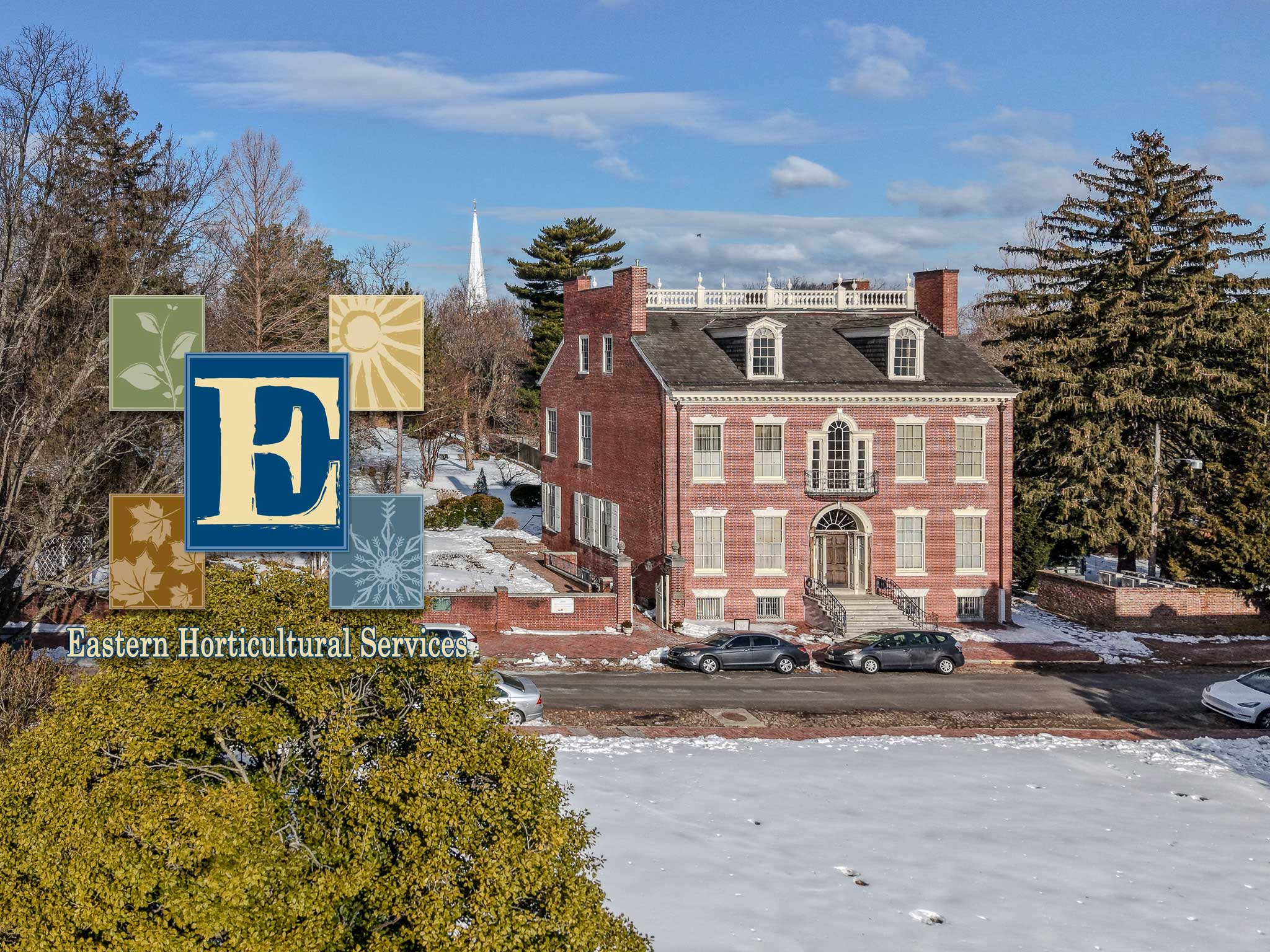
Some projects test your flying skills.
Others test your discipline.
The work at the Read House & Gardens in Old New Castle is the second kind.
This is not an open field.
It sits 1.8 nautical miles from New Castle Airport and the Delaware Air National Guard inside Class D controlled airspace.
The LAANC grid auto-approval ceiling is 50 feet AGL.
Fifty feet does not clear mature trees.
Fifty feet does not capture the full footprint of a historic garden.
Fifty feet does not provide contextual views of the surrounding street grid.
To document this project properly, I requested manual authorization up to 150 feet AGL.
That decision changed everything.
The Work Is Not Just Flying
I am operating as a Part 107 Remote Pilot under Controlled Creations Drone Services for Eastern Horticultural Services.
The assignment is structured:
- Pre-construction baseline imagery
- Periodic progress documentation
- Final completion imagery
- Vertical mapping-style stills
- Cinematic obliques
- Wide contextual coverage
- Full-garden high-altitude stills
The flying is only a fraction of the job.
The rest is preparation.
Building the Structure Before the Flight
To request authorization above 50 feet, I had to show more than intent.
I built:
- A formal Operations Manual
- A structured Concept of Operations document
- Defined Go/No-Go criteria
- Emergency procedures
- Conservative wind limitations
- Explicit altitude caps
- KML boundary containment
- Proof of prior controlled airspace experience
I have about 11 hours of Part 107 flight time across 60 flights.
That number forces humility.
It means every system must compensate for experience I do not yet have.
I have flown previously under a 300-foot LAANC ceiling in Wilmington. That airspace required active scanning for hospital helicopter traffic and disciplined descent behavior.
This project is closer to the airport.
That proximity matters.
The Mental Shift
Early in my drone work, the priority was simple: get the shot.
Now the priority is different.
Earn the airspace.
That means:
- Maximum requested altitude capped at 150 feet
- Immediate descent to 50 feet upon detection of manned aircraft
- Maximum 20 MPH groundspeed during elevated operations
- Morning daylight-only operations
- Conservative weather minimums
- 3-mile visibility strobe when above 50 feet
- Strict containment within a defined KML boundary
The goal is no longer cinematic freedom.
The goal is controlled access.
Cinematic Ambition vs Regulatory Containment
The Read House & Gardens deserve expansive coverage. The scale of the drainage transformation and landscaping restoration needs height to be understood.
But height inside Class D is not creative territory.
It is negotiated space.
Every foot above 50 AGL must be justified by discipline.
There is tension there.
You want the wide oblique that shows the historic street grid of Old New Castle.
You want the vertical that captures the entire garden footprint.
You want context.
At the same time, you are operating inside a system designed to protect manned aviation.
You do not “take” that space.
You operate inside it carefully.
What Small Operators Must Understand
Manual authorization is not a form you fill out casually.
Before you request it, ask yourself:
- Can you articulate your mission in operational language?
- Do you have written procedures?
- Do you have defined abort criteria?
- Do you know exactly what makes you stop?
- Have you proven controlled airspace experience before?
- Are your altitude and speed caps conservative enough to build trust?
If your plan depends on perfect weather and perfect conditions, it is not conservative.
If your boundary is “roughly the property,” it is not defined.
If your emergency response is “I will land,” it is incomplete.
Concern and Excitement
I am excited by this project.
It marks a shift from informal commercial drone work to structured airspace-coordinated operations.
At the same time, I respect the learning curve.
Operating inside controlled airspace near an airport demands maturity.
It demands preparation before confidence.
It demands systems before scale.
The Read House & Gardens project is about documenting restoration.
For me, it is also about building the discipline required to grow responsibly inside the national airspace system.
The shot matters.
But the structure behind the shot matters more.
Wish me luck.

No responses yet